



Second Hand Electric Cars for Sale in Ireland: What to Know Before You Buy
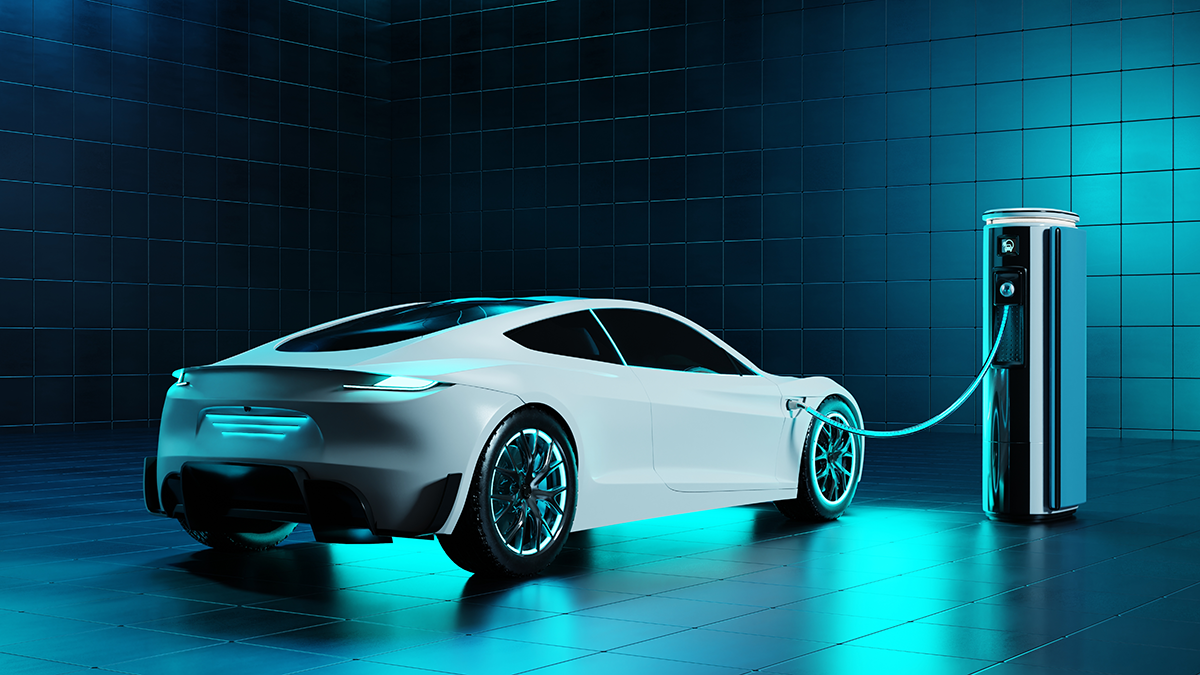
Electric vehicles have gone from a niche choice to a genuinely mainstream option on Irish roads, and that means the used EV market has grown fast — more models, more mileage variety, and more price points than even two or three years ago. If you're considering a second hand electric car, here's what actually matters when you're buying used rather than new.
Do Grants Apply to Used EVs?
This is one of the most common misunderstandings: the SEAI purchase grant and VRT relief only apply to new electric vehicles bought from an SEAI-approved dealer. If you're buying a used or second hand EV, you won't qualify for the purchase grant. What you do still get as a used EV owner:
- The lowest rate of motor tax in Ireland (a flat low annual rate for BEVs)
- No carbon tax on electricity used for charging
- Significantly lower running cost per km than petrol or diesel, especially if you can charge at home
So while the up-front grant isn't there, the day-to-day running cost savings still apply — and a used EV is typically far cheaper to buy than an equivalent new one, since it's already absorbed the steepest depreciation.
Battery Health Is the New "Engine Check"
On a petrol or diesel car, buyers instinctively check the engine. On an EV, the equivalent is battery health — and it's the single most important thing to assess before buying used.
- Ask for a battery health report or state of health (SoH) percentage if the seller or dealer can provide one. Many EVs can display this through the car's own menu or a diagnostic tool.
- Range vs. original spec — compare the real-world range the current owner reports against the manufacturer's original stated range for that model and battery size, accounting for age and mileage.
- Charging history matters more than mileage alone — a car that's been predominantly slow/home-charged tends to have experienced less battery stress than one that's been rapid-charged constantly, though this is harder to verify and worth simply asking the seller about.
- Manufacturer battery warranty — most EVs come with a separate, longer battery warranty (commonly a number of years or a mileage cap, whichever comes first) that is usually transferable to a second owner. Check what's left on it.
Charging: What to Plan For
Before buying, think through your actual charging routine:
- Home charging — if you have a driveway or off-street parking, a home charger (subsidised by an SEAI grant regardless of whether the car is new or used) makes EV ownership genuinely convenient, with most charging happening overnight.
- No home charging — if you rely on street parking or apartment living, check the public charging network near you and factor in the extra time and slightly higher per-kWh cost of public/rapid charging versus home charging.
- Longer journeys — look at the car's realistic range in typical Irish conditions (cold weather can meaningfully reduce range) rather than the optimistic headline WLTP figure.
Running Cost Comparison: What Actually Changes
Compared to an equivalent petrol or diesel car, a used EV typically means:
- Lower cost per km, especially if home-charged overnight
- Lower motor tax
- Fewer moving parts to service (no oil changes, fewer wear items like clutch/exhaust)
- Higher purchase price for a given age/mileage than the petrol/diesel equivalent — though this gap narrows the further down the depreciation curve you buy
Buying a Used EV in Northern Ireland vs. the Republic
If you're comparing second hand electric cars for sale in Northern Ireland against the Republic, keep in mind the two markets run on different currencies, tax and grant systems, and — if you're bringing a car across the border — different registration and VRT rules apply depending on direction of travel. If in doubt, check current guidance before committing to cross-border purchase, since rules and thresholds do change.
What to Check on a Test Drive
- Instant response and smooth power delivery is normal for EVs — but listen for any unusual noises from the motor or drivetrain.
- Regenerative braking feel — try the different regen settings if the car has them, and make sure it feels comfortable to you.
- Infotainment and range/battery display — make sure everything is functioning and the range estimate updates sensibly as you drive.
- Tyres — EVs are heavier than equivalent petrol/diesel models, which can accelerate tyre wear, so check tread depth carefully.
Browse second hand electric cars for sale across Ireland on Auto Connect247 — filter by fuel type to see EVs and hybrids side by side.
No — the SEAI purchase grant and VRT relief apply only to new EVs bought through an approved dealer. Used EV buyers benefit from lower running costs and motor tax instead.
Battery health/state of health, and how much of the manufacturer's battery warranty (if any) is left and transferable to you as the next owner.
Generally, yes on a cost-per-km basis, particularly if you can charge at home overnight, plus lower motor tax — though purchase price for a given age and mileage is often still higher than a comparable petrol or diesel car.